

Start By Watching The Next Action
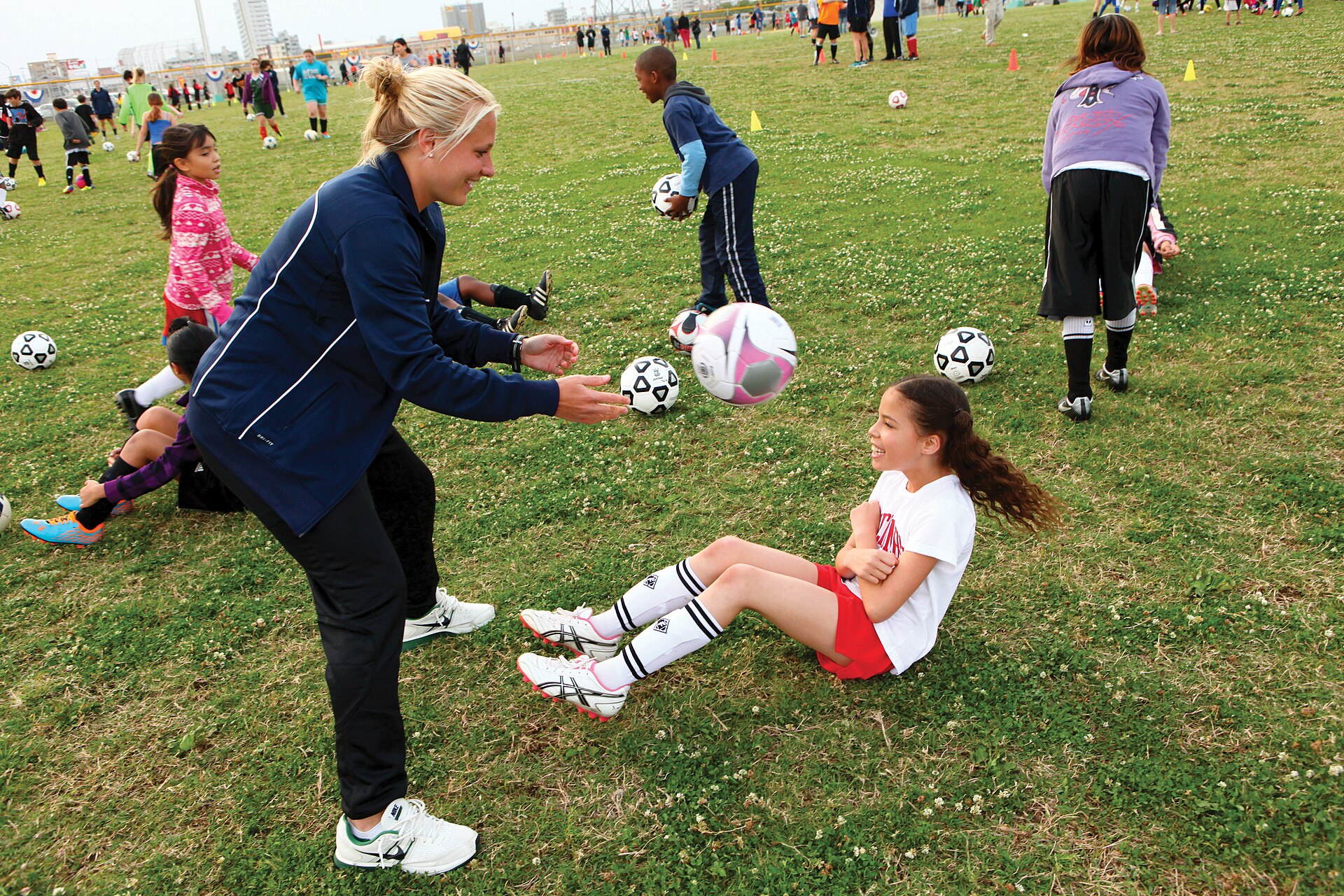
Football first touch drills for kids should not start with a lecture about technique. Roll or pass the ball gently and watch what the child can do next. If the touch stops under the feet, the next pass is cramped. If it runs three steps away, the child is chasing. The useful target is one touch that leaves a simple pass, dribble, or turn available.
Use A Simple First-Touch Check
Ask for five gentle passes from close range. After each first touch, the child should be able to play the ball again within one step. Count only touches that stay playable. This gives you a clearer starting point than saying the touch is good or bad.
A 12-Minute First-Touch Progression
Use three minutes of Wall Pass And Move, three minutes of First Touch Box, two minutes of Receive Across The Body, two minutes of First Touch Colour Call, and two minutes of the easiest drill from the set. Keep the pass speed gentle until the first touch consistently leaves the ball in a useful place.
When To Use Each Drill
Choose Wall Pass And Move when the child needs repeated rebounds and rhythm. Choose First Touch Box when the ball keeps getting trapped under the feet. Choose Receive Across The Body when the child receives square and cannot turn. Choose First Touch Colour Call only after the basic touch stays calm.
Cues That Actually Help
Use one cue before the ball travels: soft first touch, touch into space, or show the next pass. If the child is already chasing the ball, stop talking and make the feed slower. The cue should help the next repetition, not comment on every mistake.
Make It Easier Without Removing The Skill
Move closer, roll the ball instead of passing it firmly, widen the box, or let the child stop the ball first and then push it into space. Do not jump straight to pressure. A clean first touch without pressure is the base for adding a defender later.
When To Make It Harder
Change one thing at a time. Pass a little quicker, call the direction later, ask for a weaker-foot first touch, or add one passive defender. If the ball starts sticking under the feet again, the progression moved too quickly.
Common First-Touch Problems
A ball trapped underneath usually means the child waited flat-footed or tried to kill the ball dead. A ball running too far away usually means the touch was too firm or the pass was too hard. A child who always touches straight back may need a visible gate so the next action has a direction.
Safety Setup
Use a flat space where a missed touch will not reach roads, stairs, glass, ponds, parked cars, or people walking through. If using a wall, check that rebounds are predictable and not too hard. Keep the ball on the ground until control is reliable.
Which First-Touch Drill Should You Start With?
| Problem you see | Start with | Keep it manageable |
|---|---|---|
| The ball sticks under the feet | First Touch Box | Use a gentle roll and a wide exit side |
| The touch runs too far away | Wall Pass And Move | Stand closer and use a softer pass |
| The child cannot turn after receiving | Receive Across The Body | Receive side-on and pass back slowly |
| The child receives without looking up | First Touch Colour Call | Call the colour early before making it harder |
| Practice needs a full route | 15-Minute Football First Touch Session | Use the session once one drill feels familiar |
Visual Drill Guide
Use these setup sketches before choosing a drill. The feet show the starting shape; the arrows show where the ball or body moves next.
Make a small square with four markers.
Face the wall with both feet visible, make a short pass, move one step, and control the rebound before passing again.
Start side-on to the feeder with the nearest foot ready to receive.
Point to one gate while the pass travels. The receiver looks, returns the eyes to the ball, and takes the first touch through the target.
What To Watch In The First Minute
Roll or pass the ball gently and watch where the first touch finishes. A ball trapped under the feet needs a softer receiving angle. A ball that runs away needs less force. The useful target is one touch that leaves a simple pass or dribble available.
Common questions
Should a first touch stop the ball completely?
Not always. For beginners, the first touch should leave the ball playable. Sometimes that means stopping it; often it means moving it gently into space for the next pass or dribble.
What is the easiest first-touch drill for kids?
First Touch Box is usually the easiest parent-led drill because the target is visible: receive the ball and move the first touch out of the box through a chosen side.
How long should kids practise first touch?
Ten to twelve focused minutes is enough for most young players. Stop while the child can still make calm touches rather than waiting until every touch is rushed.
Can first-touch drills work at home?
Yes, if the space is safe. A wall, parent feed, or small box of markers can give enough repetition without needing a full pitch.
Training sessions
Football First-Touch Control Session for Kids
A ready-to-run football first-touch session for kids that moves from a steady rebound into receiving across the body and choosing the next space.
Recommended drills
First Touch Box
A small-box control drill that helps kids cushion the ball and move their first touch into space.
Wall Pass And Move
A wall passing drill that teaches an 8-year-old to pass, move, and control the rebound with the first touch.
Receive Across The Body
A receiving drill that teaches players to take the ball away from pressure and into the next action.
First Touch Colour Call
The feeder calls a colour while the ball is travelling, and the receiver takes the first touch toward that gate.