
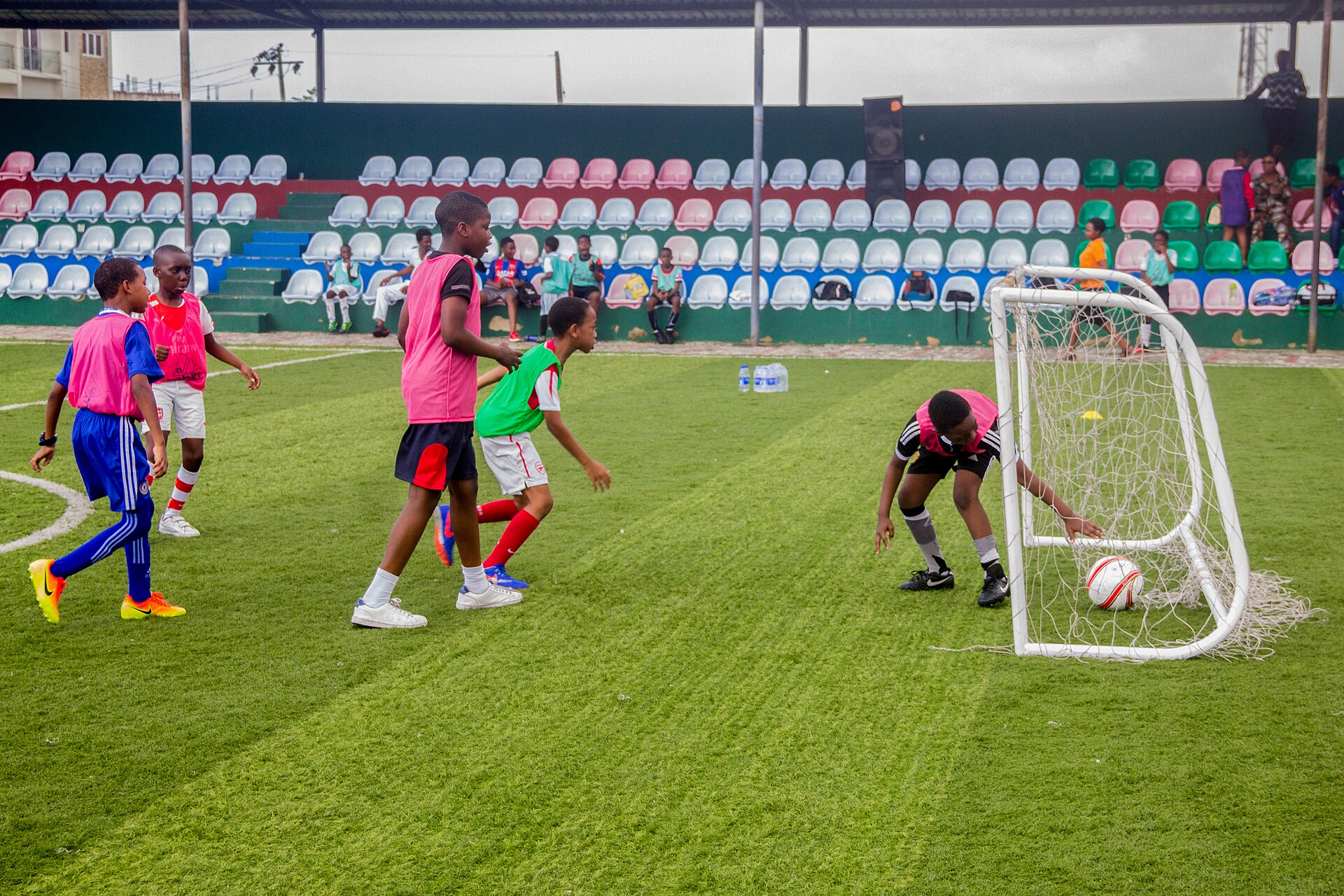

A Small Mistake Can Feel Very Public
A pass rolls to the other team. A first touch escapes. The child hears a groan, sees an opponent run away with the ball, and looks towards the touchline to find out what the adults think. To everyone else, it may be one ordinary football moment. To the child in it, the mistake can feel much bigger because it happened in front of teammates, coaches, parents, and friends. That is why the first adult response matters. A sigh, a shouted correction, or an instant replay of what went wrong can add embarrassment to the football problem. A calm face and a short next action can make the same moment feel manageable.
Why A Recovery Mindset Matters
The goal is not to teach a child that mistakes do not matter. Some mistakes change a game, and children are allowed to feel disappointed. The useful habit is learning that one poor action is information, not a verdict on who they are or whether they belong on the pitch. In football, play keeps moving. A child who can recover their position, show for another pass, or try the skill again stays involved in the game and has another chance to learn. This is what a healthy football mindset looks like at this age: noticing the feeling, settling enough to choose the next job, and reviewing the detail later when there is time and privacy.
Careful Supervision Is More Than Constant Correction
Children still need an adult to watch what is happening around the mistake. Is the task too difficult? Are several adults shouting different instructions? Is a teammate blaming them? Are they tired, frightened, in pain, or too upset to continue safely? Careful supervision means noticing those conditions and changing the environment when necessary. It also means leaving space when the child is coping. If they immediately chase back and carry on, they may not need a speech at all. If they stop, hide from the ball, or repeatedly check the touchline, offer one calm cue. If they are tearful, angry, or unable to rejoin safely, pause first. Water, a quiet minute, or stopping can be more useful than demanding an instant comeback.
Say Less, Then Point To The Next Job
After a missed pass, loose touch, or poor decision, start with one calm sentence: 'Unlucky. Find your space for the next pass.' If the child is visibly upset but able to continue, name that before giving the job: 'That one hurt. Take a breath, then recover your position.' Keep touchline support separate from coaching. 'Keep going,' 'Next one,' or the child's agreed cue is enough; do not shout a technical explanation, compare them with another player, or ask why they made the choice while play continues. England Football's guidance asks adults to create a safe place to try, fail, and learn, and to praise the intention as well as the result.
Run This 8-Minute Next-Action Practice
Use this at home or before training when a child is dwelling on errors. It is a passing activity, not a test of confidence. The adult practises giving one short cue and the child practises completing the next action after an ordinary miss.
Set up before the first ball
Make a gate about two adult steps wide and stand four to six paces away. Check that a missed pass cannot reach a road, glass, steps, other players, or anyone walking through the area. Use a dry, level surface and a ball the child can control without striking hard.
Run the routine
Find five comfortable passes
Pass gently through the wide gate. The child receives, sets the ball, and returns it. Say nothing after each successful pass beyond an occasional 'yes' or 'good pace'. If the ball misses the gate, retrieve it calmly and restart from the same distance.
Use one reset sentence
Keep the same task. After an ordinary miss, use only the agreed phrase: 'Set, look, next pass.' The child places the ball, looks through the gate, and plays again. Do not correct the old pass. Count five occasions when the next pass is taken calmly; it does not have to score through the gate.
Let the child choose the cue
Offer two cues: 'next pass' or 'find the gate'. Let the child choose one, then run a final round of five passes. Ask once at the end whether the cue helped, did nothing, or became annoying. Keep it only if the child wants to use it in training or matches.
What success looks like
- The adult uses one sentence after a miss rather than adding several corrections.
- The child can restart without being rushed or made to repeat the failed pass first.
- The chosen cue describes an action and does not judge the child.
- The round stops if either person becomes frustrated or the space becomes unsafe.
Make it easier
Move closer, widen the gate, roll the ball instead of passing it, or remove the score entirely. If the child does not want a reset phrase, let the next ball be the reset.
Make it harder
Only when the first version feels routine, narrow the gate by half a step or ask the child to move one step to receive. Keep the same single cue and do not add speed, pressure, and a smaller target together.
Safety check
Use flat markers and a clear run-off area. Stop for pain, dizziness, a collision, or distress that is not settling. This activity is not mental-health treatment and should not be used to force a reluctant child back into play.
What to say in the moment
| What you see | Say now | Leave for later |
|---|---|---|
| A pass misses but the child keeps moving | 'Next one. Find your space.' | Foot position or passing technique |
| A first touch runs away | 'Recover and get goal-side.' | Why the touch escaped |
| The child looks to you after every error | 'You do not need to check with me. Keep playing.' | A calm agreement about one match-day cue |
| The child stops asking for the ball | 'Give me one brave show for the next pass.' | Whether the task or opposition felt too difficult |
| The child is tearful or angry | 'Come out for a minute. You are not in trouble.' | Any football lesson until they are settled |
| A teammate made the mistake | 'Help them with the next pass.' | Blame, replaying the error, or comparisons |
After The Match, Ask Before Analysing
Do not begin the car journey with a list of mistakes. Give the child time to come down, then ask whether they want to talk now, later, or not today. If they do, begin with their view: 'Which moment is still bothering you?' Listen before offering a fix. One useful follow-up is: 'What would make that situation a little easier next time?' A drink, food, and ordinary conversation may be the right post-match plan. Silence is not a missed coaching opportunity.
Choose One Practice Job, Not A Verdict
If the same football problem keeps appearing, move it into a later practice where the child can try again. Turn 'you panic whenever you get the ball' into a small task such as receiving through a wide gate and finding one simple pass. Describe what you can see: the touch ran under the feet, the target was not checked, or the pass needed less pace. Avoid labels such as lazy, careless, selfish, or not confident. Those words judge the child and do not explain the next repetition.
Agree With The Coach About Who Says What
If a child is receiving several instructions at once, speak privately with the coach rather than adding another voice from the side. Ask what single cue the coach is using and whether the child needs encouragement, space, or a brief break after errors. Tell the coach if the child is repeatedly afraid of a particular situation, teammate, or adult. The FA advises parents to know how to contact the coach and club welfare officer and to agree with the child how support and check-ins will work.
Notice Patterns Beyond One Bad Match
Being upset after a costly mistake does not by itself mean a child has an anxiety problem. Look at the pattern over time. If worry is strong, worsening, persistent, or interfering with school, sleep, friendships, family life, or activities the child usually enjoys, football advice is not enough. NHS guidance recommends talking with the child and seeking help through a GP, school nurse, or school when anxiety is affecting everyday life. If the concern involves an adult's behaviour or the child's welfare in football, use the club's safeguarding route or welfare officer.
What A Useful Recovery Looks Like
Recovery is not pretending the mistake did not matter or demanding that the child smile. It may be one run back into position, one request for the ball, one calm restart, or a decision to take a break. Praise the specific return: 'You lost it and got goal-side,' or 'You asked for it again.' That keeps attention on an observable action. The result of the next pass can remain uncertain; the child has still completed the part they can control.
Common questions
Should parents correct every football mistake?
No. During play, most mistakes need no parent correction. If one pattern keeps returning, note it and work on one observable part later, when the child has a ball and a chance to try again.
What if the child cries after a mistake?
Pause and help them leave the immediate pressure safely. Say that they are not in trouble, offer water or quiet, and listen when they are ready. Do not use the moment for a technical lesson or force an immediate return.
What should I shout from the touchline after a mistake?
Usually less is better. Use a neutral phrase such as 'next one' or the one cue already agreed with the child and coach. Avoid directing every decision or explaining the mistake while the game continues.
Should we practise the mistake straight after the match?
Only if the child asks and the setting is suitable. A later short practice is usually better because it allows a calm setup, an easier first version, and another attempt without an audience.
When should a parent seek more help?
Seek broader support when worry is strong, worsening, persistent, or affecting everyday life such as school, sleep, friendships, or activities the child normally enjoys. In the UK, a GP, school nurse, or school can be a first contact. Use the club welfare route for concerns about conduct or safeguarding in football.
Recommended drills
Gate Passing Football Drill for Kids: Aim and Weight
This gate passing football drill for kids gives every pass a visible target. Use it to help a child judge direction and weight, receive under control, and recover from a miss without turning practice into a test.
First Touch Box
A small-box control drill that helps kids cushion the ball and move their first touch into space.
Wall Pass And Move
A wall passing drill that teaches an 8-year-old to pass, move, and control the rebound with the first touch.